All About Crossdressing and the Men Who Do It
Crossdressing is far more common and far more diverse than many people realize. Men from virtually every age group, profession, culture, relationship status and sexual orientation may enjoy wearing clothing traditionally associated with women.
For one man, crossdressing means occasionally putting on panties or lingerie in private. Another may enjoy dresses, heels, makeup and wigs and create an entirely feminine presentation. Someone else may spend weekends presenting femininely in public. Still another may eventually discover that what began as crossdressing was actually an early expression of a transgender or nonbinary identity.
There is no single "type" of crossdresser.
There isn't even one reason men crossdress.
Understanding crossdressing therefore begins by separating clothing, sexuality, personality, sexual orientation and gender identity. They can overlap, but they aren't the same thing.
What Is Crossdressing?
Crossdressing generally means wearing clothing culturally associated with another gender.
For men, that can include women's underwear, hosiery, skirts, dresses, blouses, leggings, swimsuits, shoes, jewelry, makeup, wigs and countless other traditionally feminine items.
But even that definition is changing.
Fashion has become increasingly gender-fluid. Earrings, leggings, cosmetics, nail polish, skirts and even traditionally feminine silhouettes are becoming less rigidly gendered in some communities.
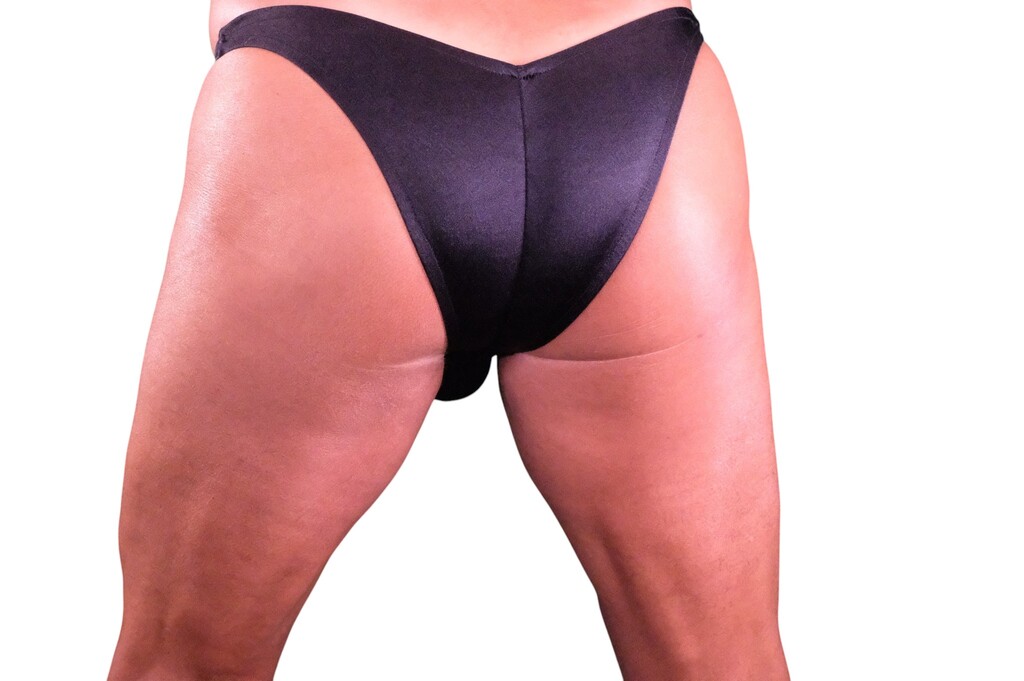
A man wearing a bikini bottom might consider himself a crossdresser.
Another man wearing exactly the same garment might simply consider it men's fashion.
The distinction often depends as much upon the wearer's intention as the garment itself.
Who Are the Men Who Crossdress?
One persistent misconception is that crossdressers constitute one easily identifiable group.
They don't.
Crossdressers can be married or single, gay or straight, bisexual or asexual, masculine or feminine, young or old.
Some have strongly masculine occupations and hobbies and enjoy switching into an extremely feminine presentation. Others have always been naturally feminine.
Some crossdressers have partners who know. Others keep it completely private.
There are occasional crossdressers and people who spend substantial portions of their lives presenting femininely.
That enormous diversity explains why stereotypes about crossdressing are rarely useful.
Why Do Men Crossdress?
Ask ten crossdressers why they do it and you may receive ten different answers.
For some, feminine clothing simply feels beautiful.
Men's traditional fashion can be comparatively restricted. Women's fashion offers an enormous range of fabrics, shapes, colors, cuts, shoes, accessories and styles.
Crossdressing gives someone permission to explore that entire world.
Other men enjoy transformation itself.
They may look into a mirror dressed conventionally and see the person everyone knows. After changing their clothes, styling their hair and applying makeup, they see another side of themselves.
That transformation can be remarkably compelling.
Crossdressing as Relaxation
Some crossdressers describe becoming feminine as calming.
They may spend their working lives fulfilling traditionally masculine expectations: being assertive, competitive, responsible or emotionally restrained.
Their feminine presentation allows them to temporarily leave those expectations behind.
For these men, changing clothes can almost become a ritual.
The work clothes come off.
The feminine clothes go on.
And their mindset changes with them.
Crossdressing can therefore be less about pretending to be someone else than allowing another part of the same person to emerge.
The Excitement of Transformation
For some men, crossdressing also carries an element of excitement.
Trying lingerie for the first time can feel daring because the person is crossing a cultural boundary they may have been taught not to cross.
A dress, bikini or pair of heels isn't inherently extraordinary.
But when someone has spent his entire life hearing, "Men don't wear that," putting it on can carry enormous emotional significance.
Over time, that excitement may change.
Something that once felt shocking can eventually feel completely ordinary.
A man who once nervously wore panties privately may years later be perfectly comfortable going shopping, traveling or visiting a restaurant while presenting femininely.
Crossdressing and Sexuality
Crossdressing can sometimes have an erotic component, particularly when someone first begins experimenting.
For other people, it has little or nothing to do with sex.
And the motivation can change with time.
A person may begin because dressing femininely feels exciting and eventually discover that the deeper appeal is emotional comfort, self-expression or identity.
Another person may always enjoy crossdressing primarily as fantasy.
Neither experience defines everyone else.
The useful question isn't whether crossdressing is "sexual" or "nonsexual."
It is:
What does crossdressing mean to this particular person?
Does Crossdressing Mean a Man Is Gay?
No.
Clothing does not determine sexual orientation.
A heterosexual man can enjoy looking extremely feminine and remain attracted exclusively to women.
A gay man can crossdress.
A bisexual man can crossdress.
A man can also discover new aspects of his sexuality while exploring gender expression, but one doesn't automatically cause the other.
This distinction matters because fear of being perceived as gay has historically prevented some heterosexual men from exploring feminine fashion.
Sexual orientation answers the question:
Who am I attracted to?
Gender expression asks:
How do I want to present myself?
Those are different questions.
Does Crossdressing Mean Someone Is Transgender?
Not necessarily.
A man can love women's clothing while being completely comfortable identifying as a man.
That person might say:
"I'm a man who enjoys being feminine."
A transgender woman is describing something different:
"I'm a woman."
The distinction is identity rather than wardrobe.
A trans woman wearing jeans remains a woman. A man wearing a dress doesn't automatically become one.
At the same time, crossdressing can sometimes become part of someone's gender discovery.
A person may initially think:
"I just like women's clothing."
Years later, the person may realize:
"I feel more like myself when people perceive me as feminine."
That can lead to exploration of nonbinary, gender-fluid or transgender identities.
For other crossdressers, that realization never occurs because they were comfortable being men from the beginning.
The Masculine Man Who Loves Becoming Feminine
One particularly interesting aspect of crossdressing is that masculinity and femininity aren't necessarily opposites within an individual.
A man can love traditionally masculine activities while also loving dresses.
He might spend Monday through Friday presenting conventionally masculine and Saturday looking completely feminine.
Some crossdressers actually enjoy the contrast.
The transformation is dramatic precisely because their everyday presentation is so different.
They aren't necessarily trying to eliminate their masculine side.
They enjoy having access to both.
The Full Feminine Transformation
For some crossdressers, clothing alone isn't enough.
They enjoy constructing a complete feminine presentation.
That may involve clothing, breast forms, hip shaping, wigs or hairstyling, makeup, manicures, jewelry, handbags and feminine footwear.
Body grooming can become part of the transformation as well.
Some shave their legs or body hair. Others shape their eyebrows, grow their hair or develop a skincare routine.
Voice, posture and movement may also become part of the experience.
At this point, crossdressing becomes more than simply putting on a dress.
It becomes the art of creating an alternative presentation of the self.
Underwear Is Often the Beginning
Many crossdressers begin with something private.
Women's underwear is particularly common because it can be worn underneath everyday clothing without anyone knowing.
That privacy allows someone to explore femininity without immediately confronting the social consequences of presenting publicly.
Over time, curiosity may expand.
Panties lead to hosiery.
Hosiery leads to skirts.
Then perhaps dresses.
Then shoes.
Then makeup.
Then a wig.
There is no required progression, however. Someone can happily wear feminine underwear for decades without wanting anything more.
Crossdressing and Swimwear
Swimwear presents an especially interesting frontier because there is very little clothing available to hide the body.
A crossdresser who feels comfortable wearing a dress may still feel nervous about wearing a feminine swimsuit.
Modern swimwear offers more choices than it once did.
Some men simply wear women's bikini bottoms.
Others choose feminine men's bikinis specifically constructed for male anatomy.
Gender-fluid designs occupy the territory between conventional men's and women's swimwear.
For people wanting a strongly feminine silhouette, compression and tucking swimwear can minimize the conventional male front profile.
Transfeminine and MTF-oriented swimwear can take that presentation further by combining feminine styling with construction intended for bodies that may not fit conventional women's swimwear comfortably.
This allows people to decide how much of their anatomy they want their swimsuit to emphasize—or minimize.
The First Time in Public
For many crossdressers, going outside while presenting femininely is a major milestone.
At home, the environment is controlled.
Opening the front door changes everything.
The first public experience might simply involve driving while dressed.
Next might come walking somewhere relatively quiet.
Eventually someone might shop, dine out, visit a club or attend an LGBTQ+-friendly event.
Vacations can also provide an opportunity because being away from one's everyday social environment can reduce anxiety about encountering acquaintances.
The goal doesn't have to be "passing."
Some crossdressers want strangers to perceive them as women.
Others simply want the freedom to be visibly feminine men.
Both approaches are legitimate expressions of personal style.
What Does "Passing" Mean to a Crossdresser?
Passing generally refers to being perceived by others as the gender someone is presenting.
Some crossdressers make passing a major goal.
They may spend considerable time perfecting makeup, clothing proportions, hair, voice and movement.
For others, passing isn't important.
They may be perfectly comfortable being recognized as a man wearing feminine clothing.
This reflects a broader change in gender expression.
The old objective was often:
"Can anyone tell I'm male?"
The newer objective for many people is simply:
"Do I like how I look?"
That can be tremendously liberating.
Crossdressing Within Relationships
Crossdressing can become complicated when someone is married or in a long-term relationship and hasn't discussed it with their partner.
A partner discovering hidden clothing may initially wonder what else has been concealed.
They may ask whether their partner is gay, transgender, dissatisfied with the relationship or planning to transition.
Those fears aren't automatically accurate.
Communication becomes particularly important.
A crossdresser may need to explain what dressing means to him rather than expecting his partner to understand immediately.
Partners also need room for their own reactions.
Some become enthusiastic participants.
Some are accepting but don't want to participate.
Others have firm boundaries around when or where crossdressing occurs.
Successful arrangements can take many forms.
When a Partner Enjoys the Feminine Side
Some partners discover that they genuinely enjoy their man's feminine presentation.
They might help choose clothes, teach makeup techniques, shop together or provide styling suggestions.
The experience can become something they share.
The relationship may even develop a playful dynamic where the partner encourages increasingly feminine fashion.
But mutual enthusiasm matters.
A healthy feminization dynamic is something adults choose together rather than something one partner imposes on an unwilling person.
Crossdressing, Femboys and Gender-Fluid Fashion
Modern terminology has made the boundaries even more interesting.
Some younger feminine men prefer femboy to crossdresser.
Others describe themselves as gender-fluid.
Some use nonbinary.
Some still proudly use crossdresser.
These terms aren't synonyms, but their fashion worlds frequently overlap.
A tiny feminine swimsuit, crop top, skirt or pair of leggings might be worn by people from all of these groups.
What differs is what the clothing means to the wearer.
Do Crossdressers Want to Become Women?
Some do.
Many don't.
This is one reason crossdressing can be an important period of personal discovery.
Someone might eventually conclude:
"I love becoming feminine occasionally, but I enjoy living as a man."
Another might think:
"I want femininity to become a larger part of my everyday life."
Someone else might realize:
"I don't really feel completely male or female."
And another may eventually recognize:
"What I called crossdressing was actually my way of expressing that I'm a woman."
There is no predetermined destination.
Crossdressing Can Change Over a Lifetime
Crossdressing doesn't necessarily remain static.
A teenager may experiment privately.
A young adult may begin buying a wardrobe.
Someone in middle age may finally become comfortable going out dressed.
Another person may lose interest entirely.
Others become increasingly open about it as they get older because they become less concerned about other people's opinions.
What begins as an occasional activity can become a regular part of someone's identity—or remain an occasional pleasure forever.
Crossdressing Doesn't Need an Explanation
Perhaps one of the biggest changes in modern attitudes toward gender expression is the declining assumption that every unconventional fashion choice requires a diagnosis or elaborate explanation.
Sometimes a man wears a dress because he likes dresses.
Sometimes he wears a bikini because he likes bikinis.
Sometimes he wants to look feminine because he thinks femininity looks beautiful on him.
The exploration may reveal something deeper about his gender.
Or it may not.
Both outcomes are possible.
From Secret Crossdresser to Confident Self-Expression
Historically, secrecy was a defining part of crossdressing for many men.
Clothing was hidden.
Purchases were made nervously.
Photographs were kept private.
Dressing occurred only when nobody else was home.
That experience still exists, particularly in communities where gender nonconformity carries significant social risk.
But another model is increasingly visible.
A man can acknowledge:
"Yes, I crossdress."
He can have a feminine wardrobe.
His partner can know.
His friends can know.
He can go to appropriate public places presenting femininely.
And none of that necessarily changes the fact that he considers himself a man.
The transformation is no longer automatically a secret.
It can simply be another part of his life.
There Is No Single Crossdresser
This is ultimately the most important lesson.
There isn't a standard crossdresser.
There is the heterosexual husband who secretly loves panties.
There is the gay man who loves glamorous dresses.
There is the masculine man who occasionally enjoys becoming completely feminine.
There is the femboy who dresses femininely every day.
There is the gender-fluid person who moves comfortably between masculine and feminine presentations.
There is the person who begins by crossdressing and eventually transitions.
And there is the lifelong crossdresser who never has the slightest desire to become a woman.
They may wear similar clothes while having entirely different identities.
All About Crossdressing: Freedom to Explore
Crossdressing is ultimately about crossing a boundary society created around clothing.
For generations, men were given a remarkably narrow range of acceptable presentation. Masculine clothes belonged to men. Feminine clothes belonged to women.
Crossdressers challenged that rule simply by opening the other side of the wardrobe.
For some, doing so is fun.
For others, it's glamorous.
For some, it's exciting.
For others, it's relaxing.
For some, it's connected to sexuality.
For others, it has nothing to do with sex.
And for some people, crossdressing becomes the first doorway into understanding a deeper gender identity.
The common thread is exploration.
A man can put on panties without ceasing to be a man. He can wear a dress without changing his sexual orientation. He can love heels, makeup and bikinis while remaining comfortable with his male identity. Or he can use those experiences to discover that another identity describes him better.
Crossdressing doesn't provide one answer about who a person is.
It gives people another way to ask the question.
And increasingly, men are discovering that femininity isn't something they necessarily have to admire only on somebody else.
They can wear it themselves.