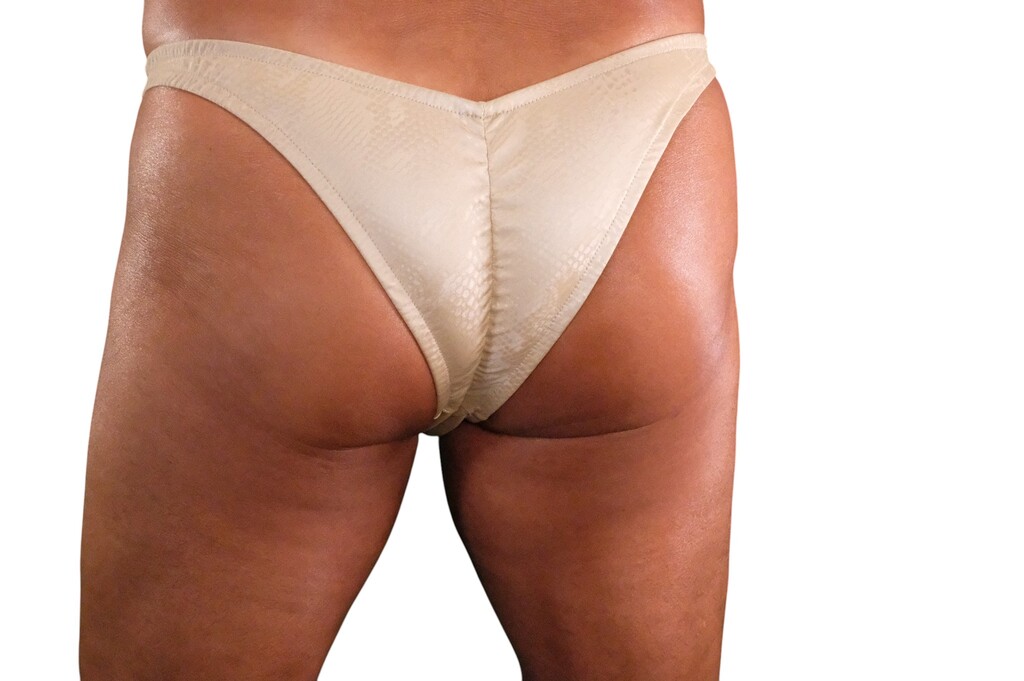
Crossdressing and Feminized Husbands: Why More Men Are Embracing Their Feminine Selves
Crossdressing husbands and feminized men exist throughout the world, across different cultures, generations, professions and sexual orientations. They may be successful businessmen, construction workers, doctors, athletes, bodybuilders, fathers or husbands who have been happily married for decades.
What they share is an appreciation for femininity and a desire to experience it personally.
For some men, crossdressing involves occasionally wearing feminine underwear or clothing in the privacy of their homes. For others, it develops into a complete feminine presentation involving makeup, hairstyles, body grooming, feminine clothing, transformation garments and a feminine social identity.
Some husbands enjoy being feminine around their wives, while others are increasingly comfortable presenting as female in public.
Perhaps one of the biggest misconceptions surrounding crossdressing is that it is primarily associated with homosexuality. In reality, straight, gay and bisexual men can all enjoy crossdressing and feminization. Sexual orientation does not determine how someone wishes to dress, look or express their gender.
For many men, discovering their feminine side is not about becoming someone else. It is about finally allowing themselves to express a part of who they have always been.
Crossdressing Husbands Exist Throughout the World
Crossdressing and gender-nonconforming expression are not new phenomena. Throughout history, different societies have recognized individuals who challenge conventional expectations of masculine and feminine presentation.
From European theatrical traditions to Japanese onnagata performers and the gender-diverse traditions found in parts of South Asia, Southeast Asia and the Americas, feminine presentation among people assigned male at birth has appeared in numerous forms.
These cultural traditions have distinct histories and meanings and should not all be classified as crossdressing. Nevertheless, they demonstrate that rigid divisions between masculine and feminine expression have never been universal.
Today, married men who enjoy feminine presentation can be found throughout North America, Europe, Asia, Australia, South America and elsewhere.
Their experiences differ considerably depending on local attitudes, religious traditions, family expectations and legal protections.
In some communities, a feminized husband can go shopping, visit restaurants or attend social events while presenting as female without attracting much attention. In others, he may feel more comfortable expressing his femininity privately.
The internet has also made crossdressing communities more visible, allowing men who once believed they were alone to discover others with similar interests.
Are Most Crossdressing Husbands Gay?
One of the most persistent misunderstandings about crossdressing is the assumption that a man who enjoys looking feminine must be attracted to other men.
Gender expression and sexual orientation are separate aspects of human identity.
A heterosexual husband may be deeply attracted to his wife while also enjoying wearing dresses, feminine underwear, makeup and women's swimwear.
A bisexual husband may enjoy feminine presentation independently of his attraction to different genders.
A gay husband may embrace femininity as part of his fashion preferences or personal identity.
There is no reliable global estimate establishing the sexual orientation of all crossdressing men, particularly because many keep their interests private.
What is clear is that crossdressing occurs across sexual orientations.
A man's desire to look like a woman does not necessarily mean he wants a romantic or sexual relationship with a man. Likewise, presenting as female does not automatically mean he identifies as a woman.
Why Do So Many Men Want to Be Feminized?
The reasons men enjoy feminization are as diverse as the men themselves.
For some, femininity has been an interest since childhood. For others, it develops during adulthood, sometimes after years of living a conventionally masculine life.
There may be emotional, aesthetic, psychological, social or intimate motivations, and several of these can coexist.
The Freedom to Escape Traditional Masculine Expectations
Men are often raised with expectations that they should be strong, competitive, emotionally restrained and traditionally masculine.
They may feel pressure to dress conservatively, avoid feminine interests and conceal softer aspects of their personalities.
Feminization can offer a welcome escape from these expectations.
Putting on feminine clothing may allow a husband to experience a different way of presenting himself without the social pressures he associates with masculinity.
For some men, the experience feels liberating. They discover that they enjoy beauty, elegance, softness and creativity just as much as they enjoy traditionally masculine activities.
A Genuine Appreciation for Feminine Beauty
Some men simply love feminine fashion.
They admire dresses, lingerie, high heels, beautiful fabrics, makeup, jewelry and feminine swimwear. Rather than limiting themselves to appreciating these things on women, they want to experience wearing them personally.
Women's fashion generally offers a much wider range of silhouettes, fabrics, colors and decorative details than conventional men's fashion.
A man who has spent decades wearing jeans, business suits and traditional men's underwear may find the variety of feminine clothing incredibly appealing.
The Desire to See a Feminine Person in the Mirror
For some crossdressing husbands, the greatest satisfaction comes from seeing their reflection after a complete transformation.
The experience may involve a carefully selected outfit, makeup, a feminine hairstyle, smooth skin and body-shaping garments.
Rather than seeing a man wearing women's clothing, they may enjoy seeing a convincingly feminine version of themselves.
This distinction can be important.
Some men are perfectly happy combining masculine physical features with feminine fashion. Others specifically want their overall appearance to be perceived as female.
The more complete the transformation, the more satisfying the experience may be for them.
Emotional Comfort and Gender Euphoria
Some individuals experience a profound sense of happiness or emotional comfort when presenting femininely.
This feeling is sometimes described as gender euphoria: the positive emotional experience of expressing one's gender in a personally meaningful way.
A husband may discover that he feels unusually relaxed, happy or comfortable when wearing feminine clothing.
For some, these feelings are occasional. For others, they become an important part of everyday life.
Feminine presentation can be meaningful without necessarily indicating a desire for medical transition.
The Enjoyment of Transformation
There is also a creative element to crossdressing.
The process of transforming one's appearance through clothing, makeup, hairstyling and body shaping can be enjoyable in itself.
Some men approach feminization almost as an artistic pursuit. They experiment with different looks, improve their makeup skills and discover which styles best complement their bodies.
The ability to move between masculine and feminine presentations can become a source of personal enjoyment.
Intimacy and Shared Interests Within Marriage
For some couples, crossdressing becomes a shared adult interest that brings an additional dimension to their relationship.
A wife may enjoy seeing her husband in feminine clothing, helping him select outfits or participating in his transformation.
For some adults, feminization also has an intimate or erotic dimension. For others, it is entirely unrelated to sexuality.
These motivations are not mutually exclusive, and they can change over time.
What matters is that both partners feel comfortable and that participation remains voluntary.
Why Some Husbands Want to Be Completely Feminized
There is a considerable difference between a man who occasionally wears feminine underwear and someone who wants to present entirely as female.
For the latter, the goal may involve creating a complete feminine appearance from head to toe.
He may want his hairstyle, facial appearance, body contours, clothing and overall presentation to work together so that other people perceive him as female.
This desire does not necessarily mean he dislikes being male.
Some crossdressing husbands genuinely enjoy their masculine identities but also want the ability to experience life through a feminine presentation.
They may enjoy being a traditionally masculine husband during the week and presenting as a woman during weekends, vacations or social events.
Others gradually discover that they prefer spending more of their lives presenting femininely.
The ability to transform completely can offer an experience that simply wearing a dress or feminine underwear cannot provide.
Creating a Complete Feminine Transformation
Modern clothing, cosmetics and transformation garments have made feminine presentation more accessible without requiring permanent physical changes.
A complete transformation can involve several different elements.
Feminine Hairstyles and Wigs
Hair can have a tremendous influence on how a person's face is perceived.
Some husbands grow their natural hair into longer or more feminine styles, while others prefer wigs that allow them to change their appearance whenever they wish.
Different hairstyles can soften facial features, complement face shapes and contribute significantly to a feminine presentation.
Makeup and Facial Feminization
Makeup can create dramatic cosmetic changes.
Foundation, eyebrow shaping, eyeliner, mascara, lipstick, contouring and blush can emphasize different facial features and create a softer appearance.
Some crossdressers prefer subtle, everyday makeup, while others enjoy glamorous or highly stylized looks.
Developing makeup skills can become an enjoyable part of the transformation process.
Body Grooming and Hair Removal
Many feminized husbands prefer a smooth body appearance.
Shaving, waxing, trimming, laser hair removal and electrolysis are among the options available to adults who want to reduce body or facial hair.
Smooth legs, arms, chest and abdomen can complement feminine clothing, particularly dresses, leggings and swimsuits.
Some men choose permanent hair reduction because they enjoy having smooth skin regardless of whether they are presenting as masculine or feminine.
Others prefer temporary grooming methods that allow them greater flexibility.
Breast Forms and Feminine Chest Shaping
Breast forms and padded bras can create a traditionally feminine chest silhouette without surgery.
They are available in different shapes and sizes, allowing individuals to select proportions that complement their bodies.
Some husbands prefer a modest feminine chest, while others enjoy a fuller figure.
A properly fitted bra and comfortable breast forms can dramatically change the appearance of dresses, blouses and feminine swimwear.
Hip and Waist Shaping
Padded underwear, hip forms and comfortable shapewear can help create a more traditionally feminine body silhouette.
These garments can emphasize the waist, hips and glutes, changing how clothing fits and how the overall figure appears.
There is no need for extreme compression. Comfortable movement, normal breathing and unrestricted circulation should remain priorities.
Male-to-Female Transformation Clothing
One of the most interesting developments in crossdressing fashion is the availability of clothing specifically designed for male-to-female transformation.
Traditional women's clothing is not always constructed to accommodate male anatomy comfortably.
Specialty MTF garments address this challenge by incorporating alternative shaping panels, stretch fabrics and feminine front construction.
These garments can help create a more consistent feminine silhouette beneath clothing without requiring permanent physical changes.
Feminizing Panties
Transformation panties are designed to provide a smoother or more traditionally feminine front appearance.
They can be worn beneath dresses, skirts, leggings and other fitted clothing.
Some husbands prefer completely smooth-front designs, while others enjoy garments with more detailed cosmetic shaping.
The ability to wear feminine clothing without a prominent masculine outline can be particularly meaningful to men who want a complete transformation.
MTF Transformation Bodysuits
Feminizing bodysuits can provide a continuous feminine silhouette while combining several aspects of body shaping into a single garment.
Depending on their construction, they may emphasize the waist, accommodate breast forms and create a smoother front profile.
For crossdressers who enjoy spandex, bodysuits can also become an attractive fashion choice in their own right.
MTF Transformation Swimwear
Swimwear was once a particularly challenging category for men who wanted to present as female.
Conventional women's bikinis were not necessarily designed to accommodate their anatomy, while traditional men's swimwear emphasized a masculine silhouette.
Modern MTF transformation swimwear offers an alternative.
Specialty companies such as Koalaswim.com have expanded the possibilities through feminine bikinis, thongs, one-piece swimsuits, smooth-front designs and garments with cosmetically shaped feminine front panels.
These designs can allow a husband to enjoy feminine beachwear without relying exclusively on conventional women's swimsuits.
For someone who has always dreamed of wearing a feminine bikini at the beach, this can represent a meaningful step toward greater confidence.
Feminizers and Other Transformation Accessories
Specialty accessories marketed as feminizers, femme clips and similar products are intended to alter the visible front silhouette temporarily.
However, these products do not create female anatomy or permanently feminize the body. Restrictive genital accessories can also cause tissue injury, circulation problems and urinary difficulties.
Purpose-designed, nonrestrictive transformation clothing is generally a preferable starting point.
Anyone experiencing pain, numbness, swelling, discoloration or difficulty urinating should immediately discontinue the use of restrictive garments or devices.
The quality of a transformation should never be measured by how much physical discomfort someone is willing to tolerate.
When Crossdressing Becomes an Everyday Lifestyle
Many husbands begin by crossdressing occasionally.
They may wear feminine clothing when their wives are away, during private evenings or on special occasions.
Over time, some discover that they want femininity to become a more regular part of their lives.
They may begin wearing feminine underwear every day, replacing conventional men's sleepwear with feminine alternatives or incorporating women's leggings and clothing into their everyday wardrobes.
Some develop a feminine name that they use when presenting as female.
Others gradually move toward living much of their lives in a feminine presentation.
This progression does not happen to everyone. Some men remain perfectly satisfied with occasional crossdressing throughout their lives.
For those who want a more comprehensive feminine lifestyle, however, the opportunity to stop treating femininity as something that must always be hidden can be enormously important.
Wives Who Enjoy Having Feminized Husbands
Although discussions about crossdressing marriages often focus on wives who struggle to understand their husbands' interests, there are also women who genuinely appreciate feminine men.
Some women are attracted to men who combine traditionally masculine and feminine characteristics.
Others enjoy having a husband with whom they can share fashion, beauty, grooming and clothing interests.
A wife may enjoy helping her husband choose a dress, purchase feminine swimwear or develop his makeup skills.
Some couples go shopping together while both are presenting femininely. Others enjoy vacations where the husband can spend more time expressing his feminine side.
For these couples, crossdressing can become something they enjoy together rather than something that separates them.
Why Some Women Prefer Feminine Men
Women who appreciate feminine husbands may be attracted to different qualities:
A willingness to challenge traditional gender expectations.
Shared interests in fashion and personal appearance.
Emotional openness and communication.
An appreciation for feminine beauty.
The combination of masculine and feminine characteristics.
Confidence in expressing individuality.
The creativity involved in transformation.
These qualities are not exclusive to feminine men, of course, but they may contribute to the attraction for some women.
A husband does not necessarily become less desirable to his wife because he enjoys femininity. For some women, it becomes another quality they appreciate about him.
When a Wife Encourages Her Husband to Become More Feminine
Sometimes a wife recognizes her husband's interest in femininity before he feels comfortable discussing it openly.
She may notice his appreciation for feminine clothing, his interest in grooming or his curiosity about crossdressing.
In a supportive relationship, she may encourage him to explore those interests.
Perhaps she purchases his first feminine outfit, helps him apply makeup or suggests trying a transformation swimsuit during a vacation.
For a husband who has spent years suppressing his feminine interests, this encouragement can be deeply meaningful.
Instead of feeling that femininity is something he must hide from the person he loves, he discovers that it can be accepted and appreciated.
Nevertheless, encouragement must remain different from pressure.
A husband should be free to determine how feminine he wants to become, just as his wife should be free to express her own feelings and boundaries.
The most successful shared transformations are those that both partners genuinely enjoy.
What Happens When a Wife Discovers Her Husband Crossdresses?
Not every wife immediately understands her husband's desire to crossdress.
She may have questions about his sexuality, gender identity or the future of their marriage.
She may wonder why he did not tell her earlier or whether he has been concealing other important aspects of himself.
These reactions can be understandable, especially when the discovery is unexpected.
Open communication is essential.
A husband can explain what crossdressing means to him, whether he identifies as male, how long he has experienced these interests and what he hopes to explore in the future.
He should also acknowledge that his wife may need time to process the information.
For some couples, the discovery ultimately creates greater emotional intimacy. For others, it requires negotiation, compromise or professional relationship counseling.
Acceptance cannot be demanded, but honest communication can help both partners understand each other more clearly.
Is a Feminized Husband Actually Transgender?
Not necessarily.
Crossdressing, feminine gender expression and transgender identity are related topics, but they are not interchangeable.
Identity or expression | General meaning |
|---|---|
Crossdresser | Someone who enjoys clothing traditionally associated with another gender |
Feminized man | A man who embraces feminine styling or presentation |
Femboy | Someone, often male-identifying, who embraces feminine expression |
Gender-fluid person | Someone whose experience of gender may change over time |
Transgender woman | A woman who was assigned male at birth |
Nonbinary person | Someone whose gender is not exclusively male or female |
A husband can present convincingly as female while continuing to identify entirely as male.
He may enjoy being referred to by a feminine name during crossdressing experiences without wanting to change his everyday identity.
Another husband may eventually discover that his feminine presentation reflects a deeper transgender identity.
Neither outcome should be assumed in advance.
Crossdressing does not automatically lead to transition, and enjoying complete feminization does not obligate anyone to pursue hormones or surgery.
The Appeal of Being Perceived as Female in Public
For some feminized husbands, presenting as female in public is one of the most important aspects of their transformation.
They do not necessarily want to remain confined to private rooms or special events.
They want to experience ordinary activities while looking feminine.
Going shopping, having lunch at a restaurant, walking along the beach, visiting a museum or enjoying a vacation can take on new meaning when they are able to present themselves in their preferred way.
Some enjoy being addressed with feminine pronouns while presenting as female. Others simply appreciate being treated respectfully without their appearance becoming the focus of attention.
For a husband who has spent decades concealing his femininity, the first public experience can be emotional.
He may discover that what once seemed impossible is simply another way of living his everyday life.
Of course, public acceptance varies by location, and individuals should consider their personal safety and comfort when deciding where and how to express themselves.
Feminized Husbands at the Beach and Swimming Pool
The beach can represent a particularly significant milestone for a crossdressing husband.
Swimwear reveals much of the body's natural shape, making feminine presentation more challenging than wearing a dress or loose-fitting clothing.
Specialty transformation swimwear has expanded the available choices considerably.
A husband may choose a feminine bikini with a smooth front, a one-piece swimsuit that emphasizes his waist, or a bikini top designed to accommodate breast forms.
Some prefer modest feminine designs, while others enjoy smaller bikinis and thongs in appropriate settings.
For a couple who enjoys feminine fashion together, shopping for swimwear and spending time at the beach can become a shared experience.
Imagine a husband who has spent most of his life wearing traditional board shorts but has always wanted to wear a feminine swimsuit.
The first time he sees himself wearing a well-designed transformation bikini may be far more meaningful than simply trying on a new piece of clothing.
It may represent the realization of something he has wanted for many years.
Crossdressing and Feminization Have No Age Limit
There is a misconception that feminine male presentation is primarily associated with younger adults.
In reality, men can discover or embrace their femininity at any adult age.
Some begin experimenting in their twenties. Others spend decades suppressing their interests before finally exploring them in their forties, fifties, sixties or later.
Retirement can provide some husbands with greater freedom to experiment with their appearance because they no longer feel constrained by workplace expectations.
Others reach a point in their lives when they simply become less concerned about what other people think.
A mature husband can enjoy beautiful dresses, feminine swimwear, makeup and transformation clothing just as much as a younger adult.
Femininity does not belong to a particular generation or body type.
Can a Masculine, Muscular Man Enjoy Complete Feminization?
Absolutely.
Some of the most striking examples of feminine male fashion involve men with muscular physiques.
A bodybuilder may enjoy wearing feminine leggings, transformation bikinis, bodysuits and dresses while maintaining an impressive muscular appearance.
For some, the contrast between physical strength and feminine styling is particularly appealing.
Others use clothing, makeup and body shaping to create a softer overall silhouette.
A man does not need to abandon weight training, sports, traditionally masculine hobbies or his professional identity to enjoy crossdressing.
He can appreciate both aspects of himself.
The idea that femininity requires weakness or that masculinity requires rejecting beauty is an outdated limitation.
The Difference Between Private Crossdressing and Living Femininely
Private crossdressing allows someone to explore feminine presentation in a controlled environment.
Living femininely involves incorporating that expression into a broader range of everyday experiences.
For some husbands, the distinction is significant.
They may reach a point where they no longer want femininity to be something that begins behind a closed door and ends before they leave the house.
They want the freedom to dress femininely while exercising, shopping, traveling or spending time with friends.
Some eventually develop two comfortable modes of presentation, moving between masculine and feminine appearances depending on their preferences.
Others discover that feminine presentation becomes their preferred way of living.
There is no requirement to progress from private crossdressing to public femininity. The decision belongs entirely to the individual.
Why Some Husbands Never Want to Stop Crossdressing
For men who have discovered genuine happiness through feminine expression, crossdressing may become a lifelong interest.
It can offer emotional comfort, creative satisfaction, confidence and a sense of personal freedom.
A husband who has spent years developing his feminine appearance may consider it an important part of his identity.
He may have an extensive feminine wardrobe, favorite transformation garments, established grooming routines and friends who know him in both masculine and feminine presentations.
For him, giving up crossdressing could mean giving up something that brings considerable happiness into his life.
This is one reason why attempting to suppress a partner's harmless gender expression may create tension within a relationship.
Understanding what femininity means to a husband is often more constructive than assuming it is a temporary phase that will eventually disappear.
Are Crossdressing Husbands Becoming More Accepted?
In many communities, particularly those with established LGBTQ+ populations and more flexible attitudes toward fashion, gender-nonconforming adults have greater visibility than in previous generations.
Social media, online communities, specialty clothing retailers and changing fashion conventions have contributed to that visibility.
Men wearing makeup, skirts, feminine athletic clothing and unconventional swimwear are increasingly represented in popular culture.
However, progress is not universal. Discrimination, social stigma and legal restrictions remain serious concerns in some regions.
Greater visibility also does not necessarily mean that the number of crossdressing husbands has dramatically increased.
It may simply mean that more men feel comfortable acknowledging interests that previous generations were encouraged to conceal.
Building a Happy Marriage With a Feminized Husband
A marriage involving a crossdressing or feminized husband can be just as loving, stable and fulfilling as any other marriage.
The essential ingredients remain the same: trust, affection, communication, mutual attraction, respect and shared commitment.
Couples may benefit from discussing how frequently the husband wants to present femininely, whether he wishes to do so publicly, how his wife feels about participating and what level of privacy they both prefer.
These conversations should allow both partners to express their feelings without ridicule or pressure.
A supportive wife does not have to participate in every aspect of her husband's feminization. Likewise, a feminized husband should not have to pretend that an important part of himself does not exist.
Finding a balance that respects both individuals can allow the relationship to grow stronger.
Becoming the Feminine Person You Have Always Wanted to Be
Perhaps the most meaningful aspect of complete feminization is the opportunity to experience something that may have existed in one's imagination for decades.
A husband may have spent years wondering what it would be like to look convincingly female, wear beautiful feminine clothing or walk along a beach in a feminine bikini.
Modern transformation garments, makeup, grooming techniques and specialty fashion have made many of these experiences possible without permanent physical changes.
For some husbands, the result is an enjoyable occasional transformation.
For others, it becomes a regular part of their lives.
And for some, it opens the door to a deeper understanding of their gender identity.
All of these possibilities deserve respect.
Final Thoughts: A Feminized Husband Is Still the Person You Love
Crossdressing husbands are not confined to one country, culture, age group or sexual orientation.
They are straight, gay and bisexual men. They are masculine men who enjoy femininity, feminine men who have always wanted to express themselves more freely and individuals whose gender experiences extend beyond traditional categories.
Some want to wear feminine underwear occasionally. Others want a complete transformation that allows them to present convincingly as female in virtually every aspect of their appearance.
Their motivations may involve fashion, emotional comfort, creativity, intimacy, gender expression or the simple happiness of seeing a feminine reflection in the mirror.
Modern MTF transformation clothing, feminine swimwear, body-shaping garments and cosmetics have expanded the possibilities for these men considerably.
But perhaps the most important transformation is not physical.
It is the transformation from hiding to expressing, from embarrassment to confidence and from believing femininity must remain a secret to recognizing that it can be a meaningful and enjoyable part of life.
A husband can be devoted to his wife, successful in his career, physically strong, confident in his identity and beautifully feminine.
He does not have to choose between being a loving husband and embracing his feminine self.
For many couples, discovering that both can exist together is the beginning of an entirely new chapter in their relationship.