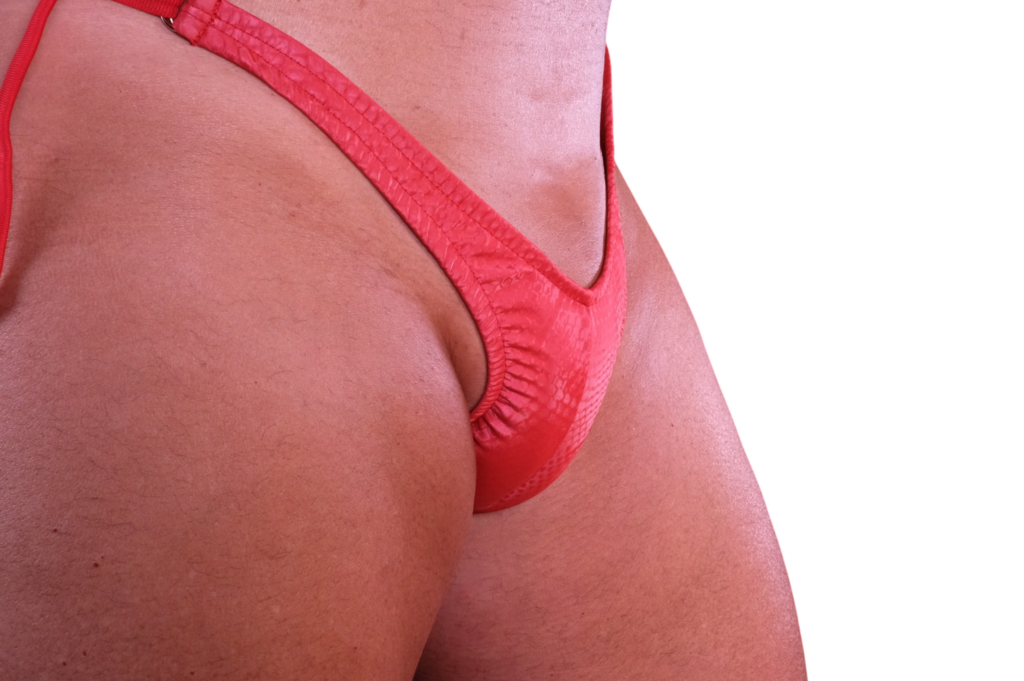
The Growing Trend of Crossdressing Husbands and Supportive Wives
For many years, crossdressing was often portrayed as something secretive that men hid from their spouses, families, and friends. Stories of husbands keeping a hidden collection of feminine clothing or only dressing when they were alone were common themes in popular culture. Today, however, a noticeable shift is taking place. More married couples are openly discussing crossdressing, and many wives are choosing to support, encourage, and even participate in their husbands' feminine expression.
While every relationship is unique, this growing acceptance reflects broader changes in how society views gender expression, fashion, and individuality. More couples are discovering that honesty, communication, and mutual support can strengthen their relationships, even when one partner enjoys something that falls outside traditional expectations.
Why More Husbands Are Opening Up
Many men who crossdress report that they first became interested in feminine clothing long before marriage. Some discovered their interest as teenagers, while others became curious later in life. Regardless of when it began, many kept it private due to fear of rejection or misunderstanding.
Historically, many men worried that revealing their interest in feminine clothing might lead to:
- Embarrassment
- Judgment
- Marital conflict
- Questions about their masculinity
- Concerns about their sexual orientation
As society has become more open about different forms of self-expression, many husbands are finding the confidence to share this part of themselves with their spouses.
For some, finally discussing crossdressing brings enormous relief. The burden of keeping a secret disappears, allowing them to be more authentic within their marriage.
Why Many Wives Are Becoming More Supportive
One of the biggest surprises for many crossdressers is discovering that their wives are often more understanding than they expected.
Many women recognize that their husband's interest in feminine clothing does not automatically change:
- His love for his family
- His commitment to the relationship
- His role as a husband
- His personality
- His values
Instead of seeing crossdressing as a threat, some wives view it simply as another hobby, interest, or form of self-expression.
For many women, the most important factor is honesty. Once a husband openly shares his feelings, trust often grows because there are no longer secrets between partners.
Better Communication Creates Stronger Relationships
One reason many couples successfully navigate crossdressing is that it encourages communication.
Conversations about feminine clothing often lead to discussions about:
- Personal identity
- Emotional needs
- Boundaries
- Self-confidence
- Intimacy
- Shared experiences
Many couples report that talking openly about crossdressing actually improves communication in other areas of their relationship as well.
When both partners feel heard and respected, the relationship often becomes stronger rather than weaker.
Sharing Fashion as a Couple
An unexpected benefit for some couples is the opportunity to share an interest in fashion.
Many supportive wives enjoy helping their husbands learn about:
- Clothing styles
- Makeup
- Hair care
- Accessories
- Color coordination
- Shopping
What begins as a difficult conversation sometimes develops into a shared hobby.
Some wives enjoy offering advice on clothing choices or helping their husbands create a feminine look that feels authentic and comfortable. Others enjoy shopping together or discussing fashion trends.
For these couples, feminine expression becomes another activity they enjoy together.
The Emotional Side of Support
For many husbands, a wife's acceptance can have a profound emotional impact.
Years of secrecy often create feelings of guilt, anxiety, or shame. When a spouse responds with understanding rather than judgment, many men describe feeling:
- Relieved
- Accepted
- Loved
- Understood
- More confident
This emotional support can improve self-esteem and reduce the stress associated with hiding an important part of oneself.
Many wives also report that seeing their husbands become happier and more comfortable with themselves strengthens the relationship.
Crossdressing Does Not Mean the Marriage Changes Completely
One common misconception is that a husband who crossdresses suddenly wants to live entirely as a woman.
In reality, most crossdressers continue to identify as men and maintain the same roles they always have within their families and relationships.
For many married men, crossdressing is simply one aspect of their lives rather than their entire identity.
They may enjoy dressing occasionally while continuing to work, raise children, maintain friendships, and participate in daily life exactly as before.
This distinction often helps wives feel more comfortable when first learning about their husband's interest.
The Role of Modern Attitudes
The growing acceptance of crossdressing husbands is partly driven by changing social attitudes.
Modern culture increasingly recognizes that:
- Clothing does not define character.
- Gender expression exists on a spectrum.
- People can enjoy different forms of self-expression without changing who they are.
- Personal happiness is important.
- Relationships thrive when partners support one another.
Younger generations in particular tend to view clothing as a form of personal style rather than a strict indicator of gender.
As these attitudes become more common, couples often find it easier to discuss topics that once felt taboo.
Building Boundaries Together
Not every supportive wife embraces every aspect of crossdressing, and that is perfectly normal.
Healthy couples often establish boundaries that work for both partners.
Examples might include:
- When dressing occurs.
- Whether it happens at home or in public.
- How much involvement the wife wants.
- Privacy considerations.
- Social situations involving family or friends.
The most successful arrangements are usually based on compromise, respect, and ongoing communication rather than pressure from either partner.
A New Level of Trust
Many couples describe crossdressing as an opportunity to build a deeper level of trust.
When a husband reveals something he has often kept hidden for years, he is placing significant trust in his spouse. When the wife responds with understanding and acceptance, that trust is reinforced.
The result can be a stronger emotional bond and a greater sense of partnership.
Rather than viewing crossdressing as something that separates them, many couples come to see it as another part of their shared journey together.
Looking Toward the Future
As society becomes more accepting of diverse forms of self-expression, the number of openly supportive marriages involving crossdressing husbands is likely to continue growing.
More couples are learning that crossdressing does not have to be a source of conflict or secrecy. Instead, it can become an opportunity for honesty, understanding, and mutual support.
At its heart, the trend reflects something simple: successful marriages are built on acceptance. When spouses create an environment where both people feel safe being themselves, relationships often become stronger, more resilient, and more fulfilling. For many crossdressing husbands and their supportive wives, that acceptance has become one of the foundations of a happy and lasting partnership.